
Where Craft Meets Performance
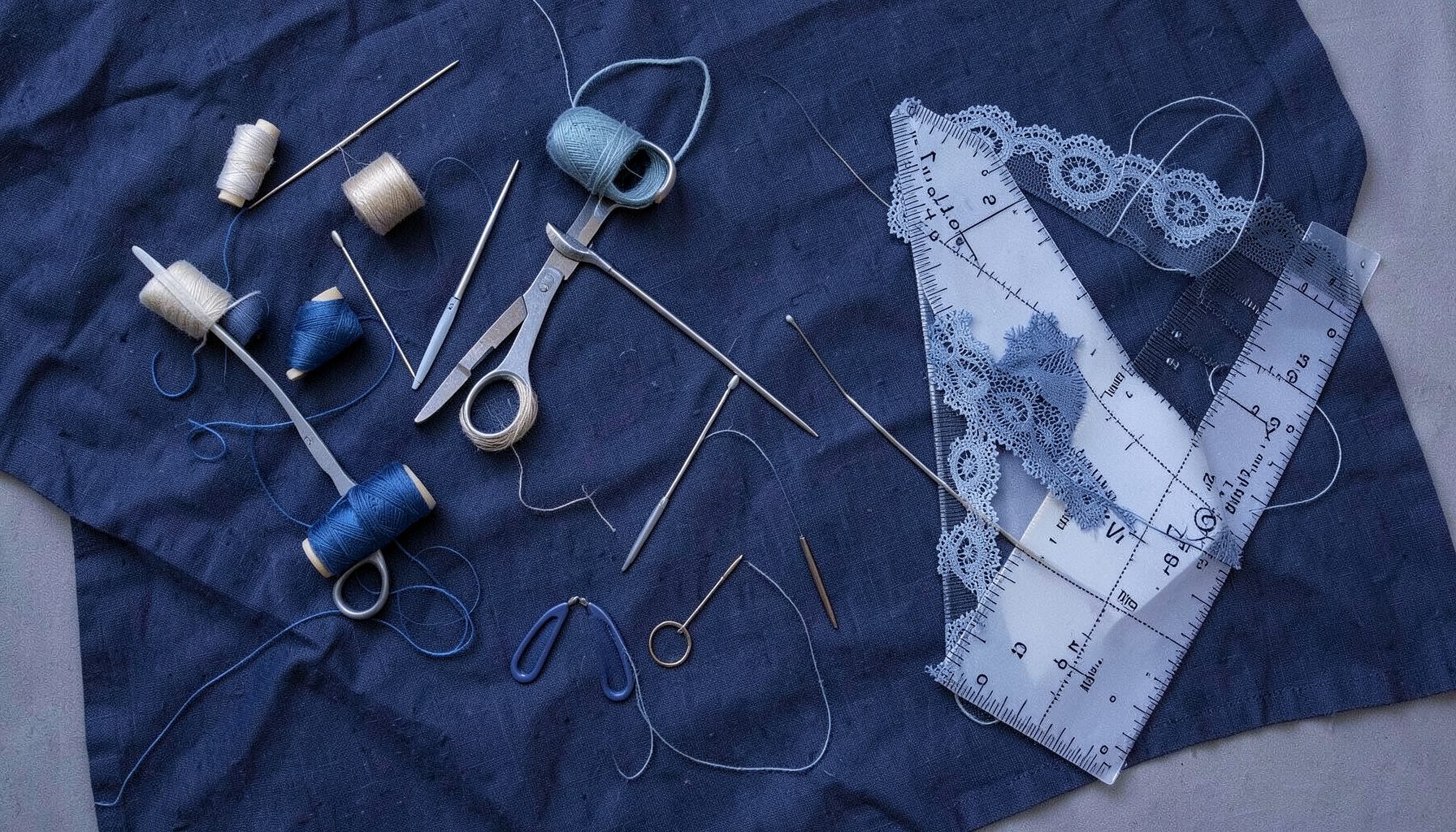
The BA (Hons) Costume Construction programme places an emphasis on the knowledge and use of both historical and contemporary pattern cutting, construction, textiles and finishing techniques. Students develop skills for careers across opera, dance, theatre, musical theatre, performance art, film and television.
Delivered across two locations — the Grays Campus and the Royal Opera House Costume Centre at Purfleet — the course gives students access to industry-standard machinery and resources, preparing them for professional practice in costume-making at the highest level.
The art of costume construction is a meticulous craft that bridges historical authenticity with contemporary theatrical demands. Students on this programme immerse themselves in the study of period pattern cutting, learning how garments from different eras were originally assembled and how those techniques can be adapted for modern performance. From Elizabethan doublets to Edwardian gowns, each project requires careful research into fabric weights, seam structures, and finishing methods. This deep understanding of construction history allows graduates to create costumes that not only look accurate but move correctly under stage lighting and through choreographed performance sequences, serving the storytelling needs of any production.
Working across two specialised campuses gives students an unparalleled advantage in their professional development. At the Grays Campus, foundational skills in stitching, draping, and textile selection are developed through hands-on projects that mirror industry workflows. Meanwhile, access to the Royal Opera House Costume Centre at Purfleet introduces learners to the highest standards of theatrical craftsmanship. This dual-location model means students graduate with practical experience using professional-grade machinery and an understanding of how costume departments operate within major cultural institutions, preparing them for the collaborative, fast-paced environments of opera, dance, and film production.
The final major projects displayed in this exhibition represent the culmination of years of dedicated study and creative exploration. Each garment tells a story not only of the character it was designed for but of the maker's journey through research, experimentation, and technical problem solving. Students have selected briefs ranging from period dramas to avant-garde performance pieces, demonstrating versatility across genres and historical periods. The resulting collection showcases exceptional attention to detail in hand-finishing, decorative techniques, and fabric manipulation, revealing graduates who are ready to contribute meaningfully to professional costume departments in theatre, television, and film.

Student Gallery
Explore the final major projects from our graduating Costume Construction students.

Stephanie Wilson
BA (Hons) Costume Construction

Phoebe Maynard
BA (Hons) Costume Construction

Michelle Jury
BA (Hons) Costume Construction

Marissa Hayward
BA (Hons) Costume Construction
Deborah Wingfield
BA (Hons) Costume Construction

Chloe Ivey-Ray
BA (Hons) Costume Construction
About the Programme
Pattern Cutting & Construction
Students master both historical and contemporary techniques, from traditional tailoring to modern industrial methods used in professional costume workshops.
Textiles & Finishing
Exploration of fabric manipulation, dyeing, surface decoration, and fine finishing — essential skills for creating authentic costumes for stage and screen.
Industry Settings
Areas of study span opera, dance, theatre, musical theatre, performance art, film and television, reflecting the breadth of the costume profession.
Dual-Location Delivery
Teaching takes place at the Grays Campus and the Royal Opera House Costume Centre at Purfleet, providing access to industry-standard machinery and resources.
Discover More Student Work
Browse the full Student A–Z directory or explore all Art, Design & Media courses.